PSCRP

Armenian MFA statement
Israeli strikes on Iran and Iran’s ballistic missile attacks on Israel have made it clear where the two main rivals in the South Caucasus — Azerbaijan and Armenia — stand. Monitoring of media and social networks in both countries shows that Baku immediately adopted a neutral position, merely expressing concern over the consequences of military actions. In contrast, Armenian state-affiliated outlets, parties, and diaspora organizations worldwide took a clearly pro-Iranian stance.
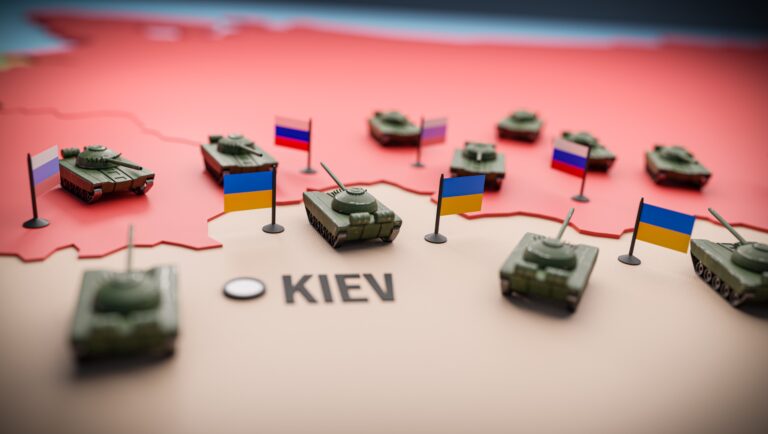
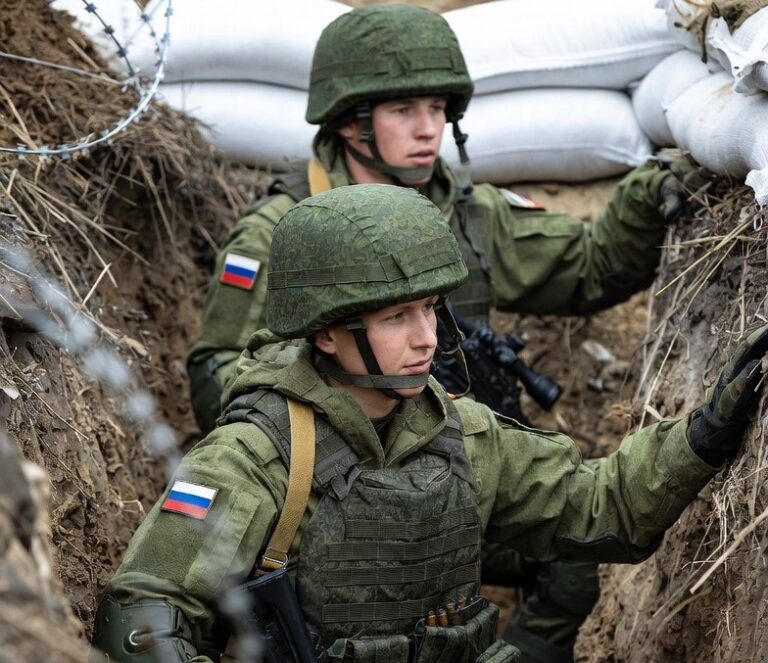
Despite President Trump’s promise to quickly end the Russia–Ukraine war, the conflict continues, with Western support shifting toward enabling Russia’s defeat rather than just defending Ukraine. Ukrainian elites increasingly see the disintegration of Russia as a strategic goal, while the West begins to consider supporting decolonization movements alongside the traditional liberal opposition. Emerging risks include future instability from nationalist or Islamist-led post-Russian states, prompting a need for nuanced Western policy.
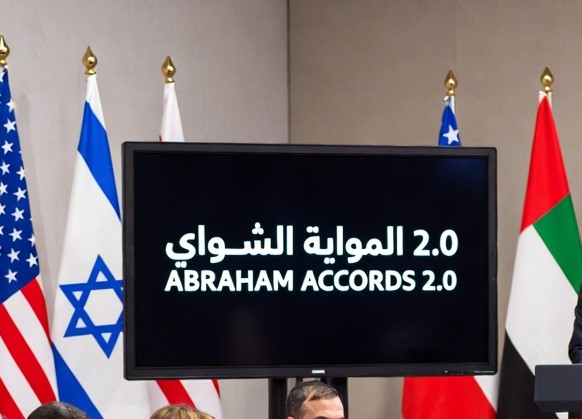
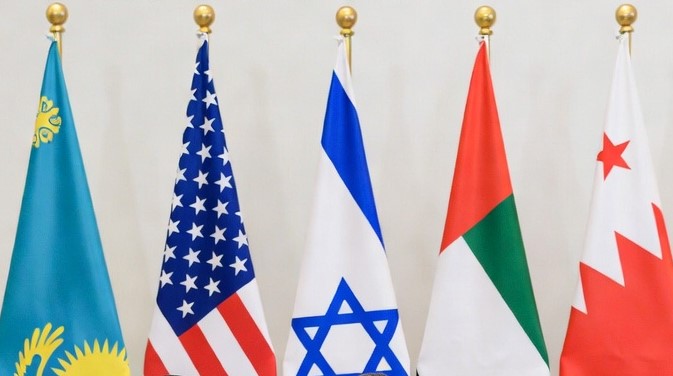
Almost half a decade has passed since the diplomatic breakthrough in the previously informal relations between Israel and the "moderate" Sunni regimes of the Saudi-aligned Arab countries. The establishment, under U.S. auspices, of full diplomatic relations between Israel and the United Arab Emi, which was subsequently joined by Sudan (North) and Morocco. However, the widely anticipated "wave" of recognition of Israel by Arab states did not materialize at that time.
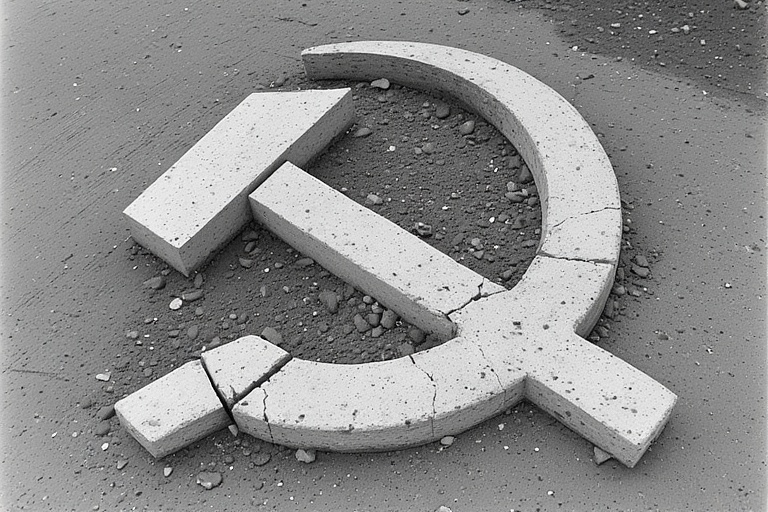
AI generated illustration (Grok)
In the recent issue of monitoring, the reader will find many unexpected things—a study of a fragment of the post-Soviet world integrated into the EU, the Visegrad countries, and the connection between modern conflicts and the economic history of the period of reforms in the USSR, associated with the name of Kosygin. There will also be unusual methodological approaches, and there will be results that researchers admit that they did not expect.
Flag of Moldova (AI generated)
On May 21, the Chisinau Court of Appeal left the head of the Gagauz autonomy, Eugenia Gutul, under house arrest. Gutul was detained at the Chisinau airport and arrested in a criminal case related to the financing of her election campaign in 2023. This arrest opens the way for the initiation of the procedure for removing the head of the dissident autonomous region from office. The legitimate parliament of Gagauzia, the People's Assembly, has effectively come out against the supreme power of Moldova and has expressed full support for Gutul.
Armenia-Azerbaijan map. Image © 2025 Google
The overall situation between Armenia and Azerbaijan has undergone substantial changes in recent years. Both are engaged in peace negotiations that involve numerous difficult decisions on both sides - from border demarcation to the future of regional infrastructure projects such as the Zangezur Corridor. On April 19, 2024, Armenia agreed to return four abandoned border villages to Azerbaijan as an initial step in border delimitation.
Russia officially became a nationalist state in the summer of 2020, when the constitution was amended to declare Russian the state language as “the language of the state-forming people”. That same summer saw the birth of the “Russian Community”. It has since grown into the most numerous and influential nationalist and “protectionist” movement, displacing both the neo-Nazis and the Cossacks.

Accessibility Toolbar