PSCRP

On August 23rd, a plane crashed, carrying Yevgeny Prigozhin, a Russian oligarch and the founder of the private military corporation "Wagner." Among the victims was Dmitry Utkin, a former Russian officer who played a pivotal role in the formation of this semi-public, semi-private army. His call sign, "Wagner," lent its name to this organization, which, over the course of nine years, transformed into a tool of Russian power politics. Regardless of who was responsible for the plane's destruction, this event aligns with an overarching trend: the diminishing influence of Z-propaganda radicals, who perceive the Russian government's actions as passive and advocate for a more assertive policy towards Ukraine. This call also encompasses the notion of mobilizing Russian society on a comprehensive scale.
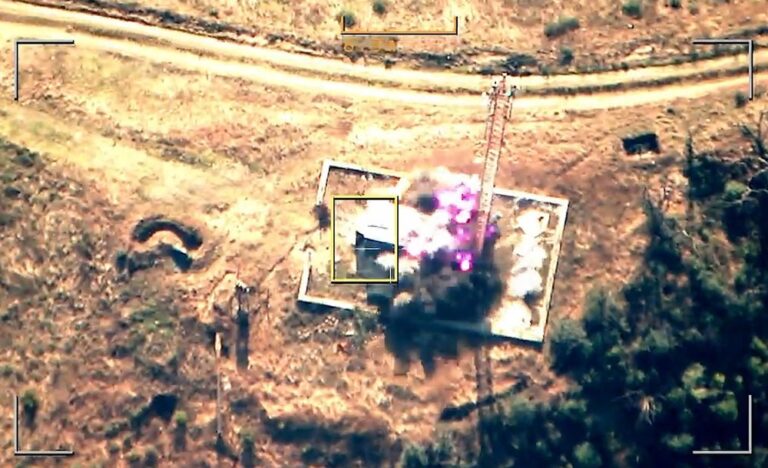
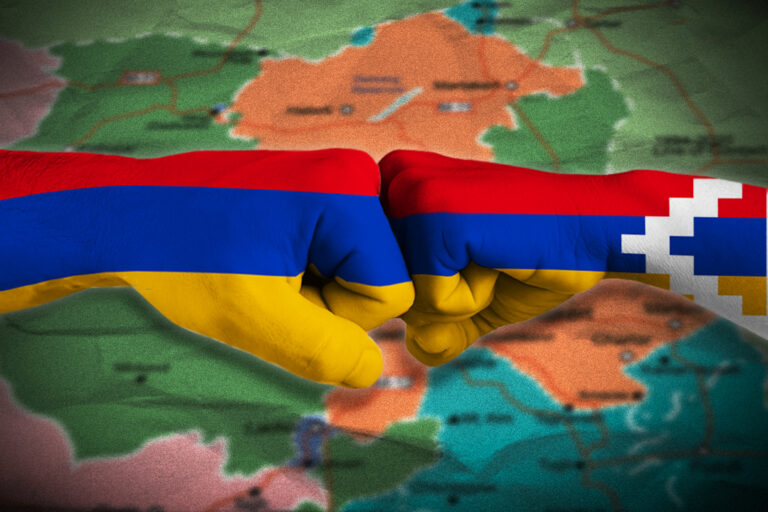
The military escalation that took place in Karabakh in November 2020, has fundamentally transformed the (geo)political configuration in the region. After the fall of 2020, the territory of unrecognized โ€œArtsakhโ€ โ€“ โ€œNagorno-Karabakh republicโ€, established in 1991 on the part of the territory of mostly populated by ethnic Armenians Nagorno-Karabakh Autonomous Republic of Azerbaijan, shrank almost four times. Azerbaijan has regained internationally recognized control of its lands and its refugees, who were forced out by the Armenians started to return there.ย  ย Authorities of Armenia, historically a patron of the unrecognized enclave, are now actively preparing for a peaceful solution. However, this solution will be now probably written not in Yerevan.
The Russian invasion of Ukraine in February 2022 prompted political discourse among the Russian-speaking Jewish diaspora around the world. Ukrainian Jewry is almost unanimous in its support of the countryโ€™s leadership. In Belarus, Jewish organizations have distanced themselves from the subject of the war while individual Jews try to maintain calm. In Russia, a minority of Jews actively opposes the regimeโ€™s war policy, another small minority openly supports it, but the largest number of Jews are โ€œpsychologically alienatedโ€ from the issue. In Israel, Russian and Ukrainian Jewish immigrants appear largely willing to put personal differences aside as they forge a new identity as Israelis.
With the outbreak of war in Ukraine, the Islamic Republic of Iran found a new avenue through which to carry on its anti-Western and anti-Israeli missions. Tehran has pledged to support its Russian ally in Ukraine and is sending weapons and other supplies to the Russian war effort. It is similarly assisting Armenia, its ally in the Caucasus, in its ongoing conflict with Israel- and-Turkey-backed Azerbaijan.

Accessibility Toolbar