Russia

On August 23rd, a plane crashed, carrying Yevgeny Prigozhin, a Russian oligarch and the founder of the private military corporation "Wagner." Among the victims was Dmitry Utkin, a former Russian officer who played a pivotal role in the formation of this semi-public, semi-private army. His call sign, "Wagner," lent its name to this organization, which, over the course of nine years, transformed into a tool of Russian power politics. Regardless of who was responsible for the plane's destruction, this event aligns with an overarching trend: the diminishing influence of Z-propaganda radicals, who perceive the Russian government's actions as passive and advocate for a more assertive policy towards Ukraine. This call also encompasses the notion of mobilizing Russian society on a comprehensive scale.
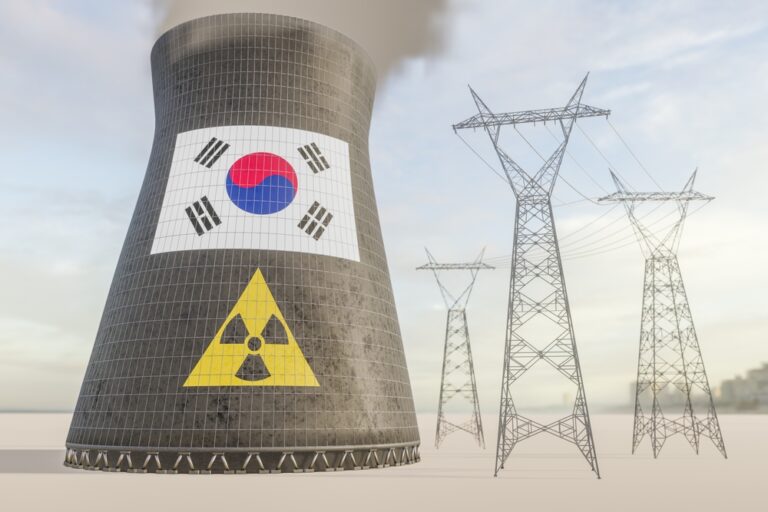
Public discourse in South Korea and Japan has begun to include discussion of the development of nuclear capabilities. This policy change in the regional nuclear discourse, together with attempts by North Korea and Russia to legitimize the use of tactical nuclear weapons, should raise concerns not just in Asia but in the Middle East as well.
On June 4, Russian president Vladimir Putin signed a law banning “individuals designated as ‘extremists’ from running for public office.” There is little doubt that the legislation is aimed primarily at opposition leader Alexei Navalny, now in prison, and whoever supports him. 
Following the withdrawal of the US from Afghanistan, Washington is allegedly trying to reestablish a military presence in Central Asia, similar to what it did in the early 2000s. Though some level of cooperation is possible with Russia within the framework of great power relations (and much still depends on Moscow’s goodwill), China opposes any American military or security expansion near its restive Xinjiang province.
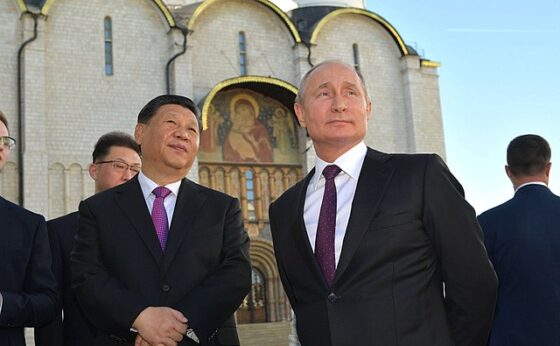
The Kremlin's fixation on competing with the West might cost Russia dearly, as its clout in Central Asia is under strain from a rising China. Moscow will try to mitigate the tilting balance of power by applying methods of the post-liberal world order to the region. China and Russia might reach a condominium in which issues of economy and security are subdivided between them.
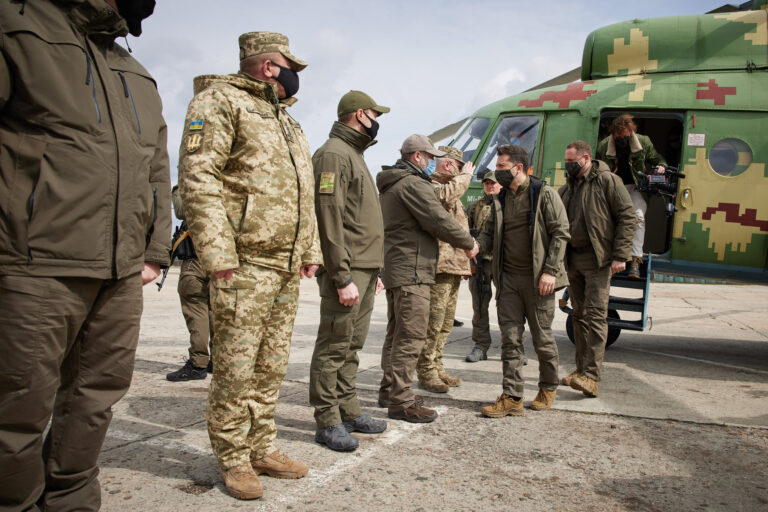
Many are still wondering whether Vladimir Putin’s massive troop deployment in conflict zones in the Donbas and the Crimean Peninsula in the spring of 2021 was preparation for eventual war and territorial gain or simply a public relations exercise meant to intimidate Ukraine and the West. The answer has to do with Putin’s main red line.
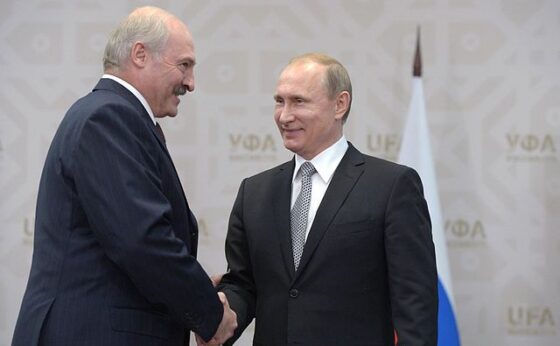
Belarus is growing increasingly isolated and is pushing itself more and more into Russia's embrace. Moscow is taking the opportunity to cement Belarus as a buffer state against Western geopolitical influence. But contrary to the established analysis, unless there is a real chance of a pro-Western government being installed in Minsk, Russia is unlikely to push for any radical scenarios, including full integration.
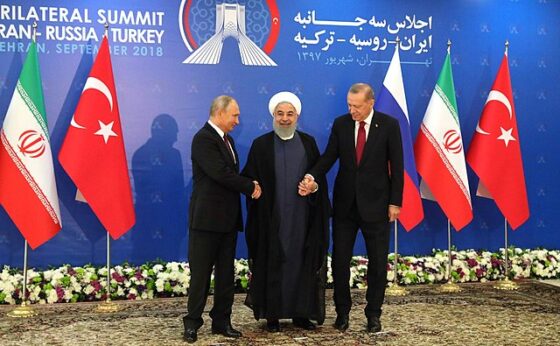
Iran, Turkey, and Russia are building a new model of bilateral ties. Unshackled by formal alliances, the trio is showing it can work together to limit Western influence while avoiding an overreliance on one another. This mixture of correlating and contradictory interests, which characterizes the new Eurasianist model of bilateral relations, is a product of the changing global order.

Accessibility Toolbar