PSCRP

Monitoring (AI generated)
This month’s monitoring highlights a diverse range of studies , from RAND Europe’s analysis of Russian strategic culture and nuclear doctrine to the Global Initiative’s mapping of organized crime in the South Caucasus, the reports reviewed here underscore the complex interplay of political, criminal, and societal forces. Alongside these, Minna-Kerttu M. Kekki’s work on collective memory, ICNL’s guidance on NGO self-regulation, and sociological insights into health perceptions from Georgia illustrate how narratives, ethics, and public attitudes shape contemporary challenges.
AI generated illustration
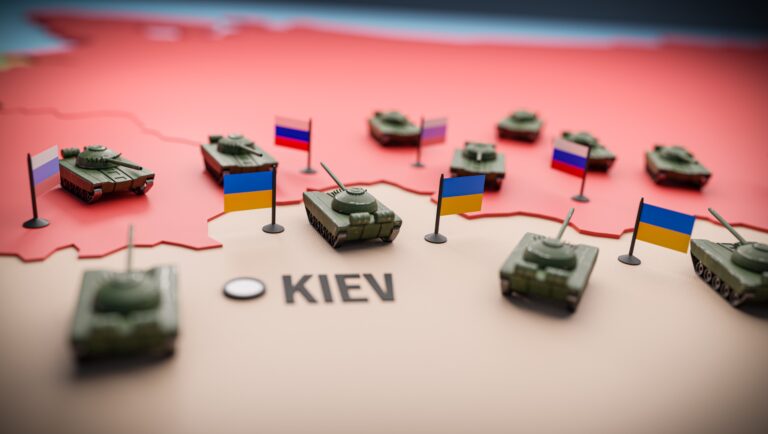
The diplomatic blitz undertaken in August 2025 by the U.S. president, during which Donald Trump and members of his administration sought to persuade the leaders of Russia and Ukraine to make mutual concessions in order to end the active phase of the war that has been ongoing between these countries for three and a half years, had, as of this writing, produced no clear results that were even roughly acceptable to all sides. According to the media, President Trump still assures his allies that the talks are proceeding according to plan, in practice these negotiations are moving slowly.
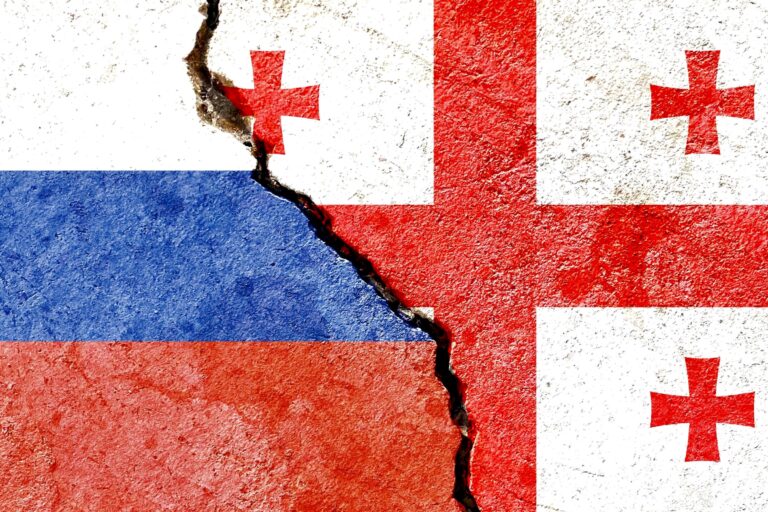
This digest reviews five recent contributions to the study of the post-Soviet space. It includes Dinissa Duvanova’s argument on the decline of populism under authoritarian consolidation, Northwestern University’s new course on post-Soviet politics and the Russia–Ukraine war, Nargiz Nagiyeva’s application of postcolonial theory, Hardy and Vlad’s analysis of Russian-backed para-states, and DiPirro and Linderman’s critique of Western policy toward Georgia. Together, these works illuminate the evolving interplay of ideology, authoritarianism, colonial legacies, geopolitical strategy, and Western engagement in the region.
Ukraine crossroads (AI generated)
Since regaining its independence in 1991, Ukraine has periodically experienced profound social and political changes that have been closely linked to linguistic identities, ethnicity, and religious aspects, among others. Concurrent with these developments, the Russian aggression against Ukraine since 2014 and the subsequent full-scale Russian-Ukrainian war since February 2022 have precipitated, engendered, and brought to the fore profound changes and transformations in the internal balance of ethno-national relations.
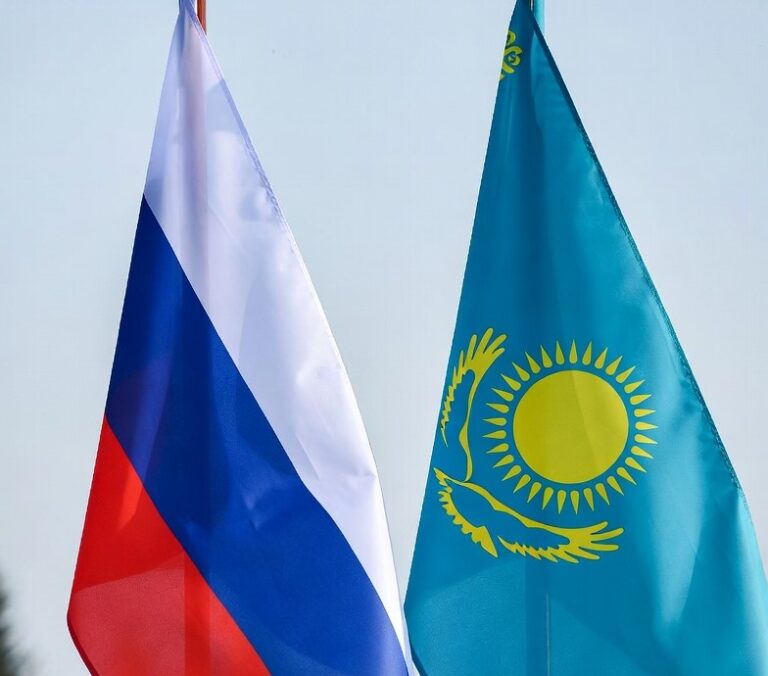
Illustration (AI generated)
Buddhism, with its deep historical roots in Russia and as part of the country’s religious foundation, is undergoing a process of transformation and adaptation to contemporary socio-political realities. Alongside the revival of interest, new challenges are emerging in the form of various types of conflicts. These conflicts affect both relations within Russian Buddhism itself and the interaction of Buddhist communities with state institutions and other religious groups.

Accessibility Toolbar